/2025-02%20AutoStore%20Logo%20Landscape%20(red%20white).png?width=1920&height=338&name=2025-02%20AutoStore%20Logo%20Landscape%20(red%20white).png "2025-02 AutoStore Logo Landscape (red white)")
/2025-02%20AutoStore%20Logo%20Landscape%20(red%20black).png?width=1920&height=337&name=2025-02%20AutoStore%20Logo%20Landscape%20(red%20black).png "2025-02 AutoStore Logo Landscape (red black)")

Best Strategies to Prevent Single Point of Failures (SPOFs)
 Zach Isbell : Dec 21, 2023 12:00:00 AM
3 min read
 Clement Yew


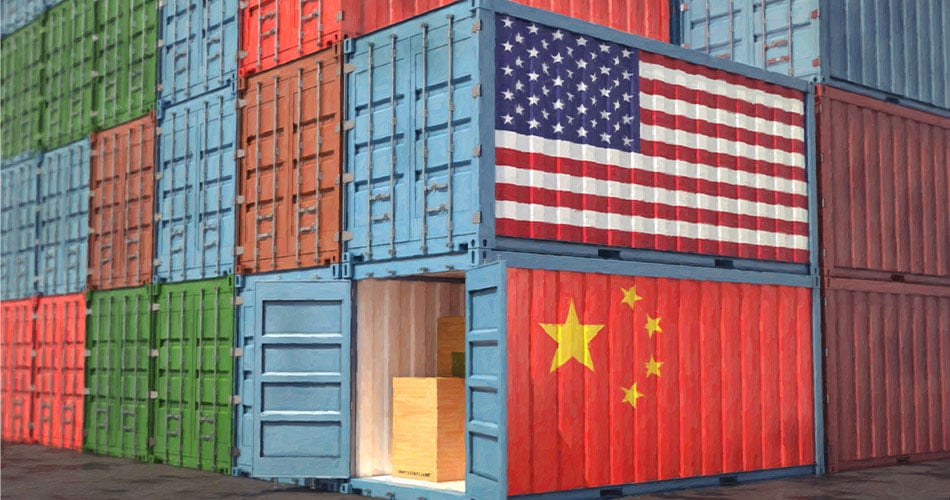
The recent implementation of U.S. tariffs has significantly impacted industries dependent on international trade. In March, substantial levies were introduced on all imports from China, Canada, and Mexico, while the rate for aluminum and steel products rose from 10% to 25%.
On April 2, further adjustments were made, including the imposition of a universal 10% tariff and higher rates for countries such as China, which are perceived to engage in unfair trade practices.
This escalation presents a major challenge for businesses that rely on cost-effective international sourcing. Increased import costs directly affect pricing, margins, and overall competitiveness. To maintain profitability and avoid passing costs to consumers, companies must act swiftly to implement strategic solutions.
One of the most effective ways to minimize the impact of tariffs is to accumulate inventory in domestic warehouses before additional tariffs take effect. This strategy, known as "just-in-case" logistics, ensures businesses have ample stock on hand to continue operations smoothly, without immediate exposure to fluctuating trade policies.
It’s the opposite way to doing business during stable times when companies rely more on a “just-in-time” model of receiving goods only when they’re needed.
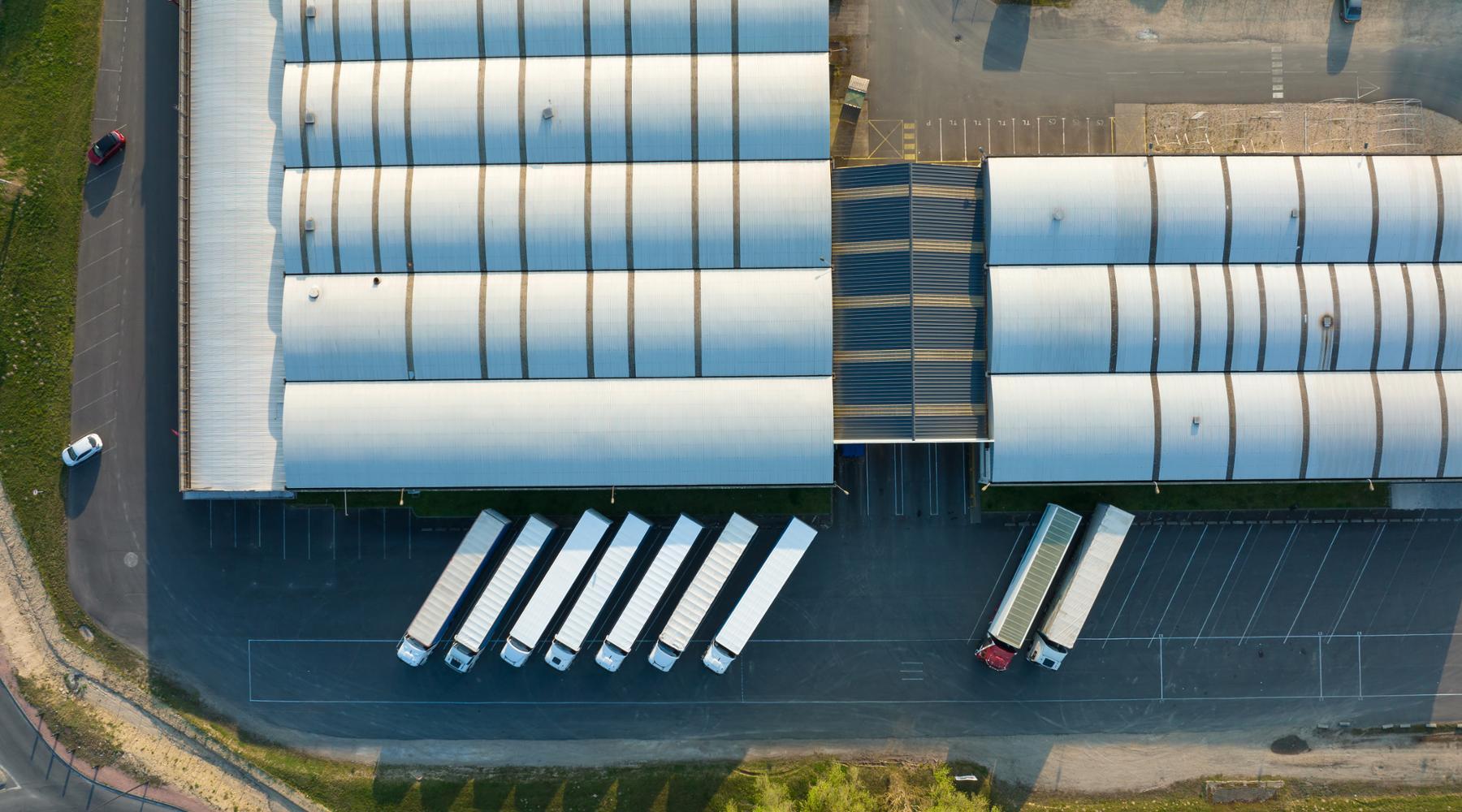
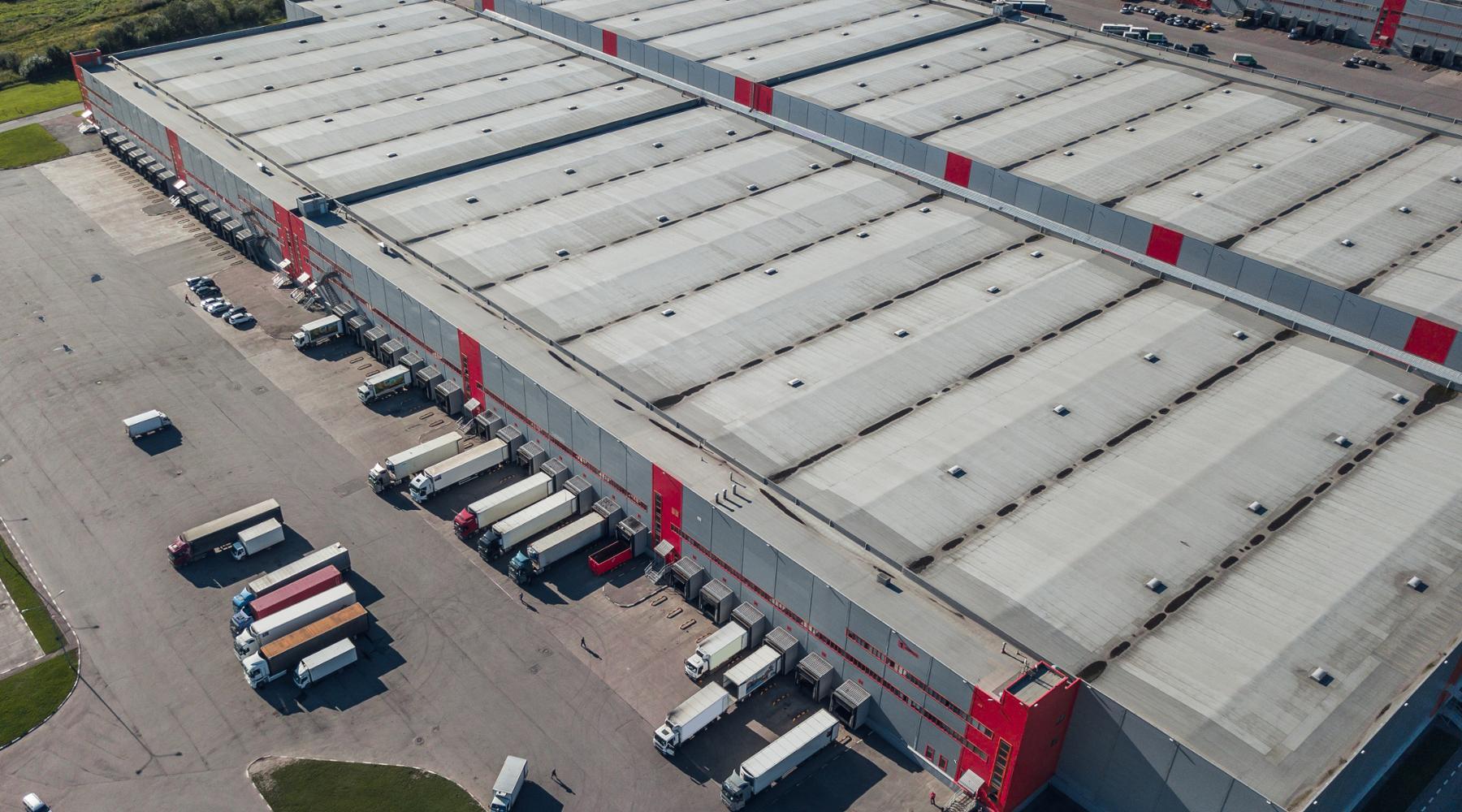
While relocating manufacturing to the United States might seem like a logical solution, it comes with significant hurdles: High operational costs, labor shortages, and complex regulations that make reshoring a long-term, rather than immediate, fix. In contrast, expanding domestic warehousing capacity provides a faster, more practical solution.
Many businesses have already begun leveraging just-in-case inventory strategies to counteract the impact of tariffs:
“One of the most effective ways to minimize the impact of tariffs is to accumulate inventory in domestic warehouses before additional tariffs take effect. This strategy, known as ‘just-in-case’ logistics, ensures businesses have ample stock on hand to continue operations smoothly, without immediate exposure to fluctuating trade policies.”
— Clement Yew, Director of Business Development, Southeast Asia, AutoStore
While building up emergency inventory is a logical response to tariffs, it creates another challenge — warehouse space. That’s where AutoStore comes in.
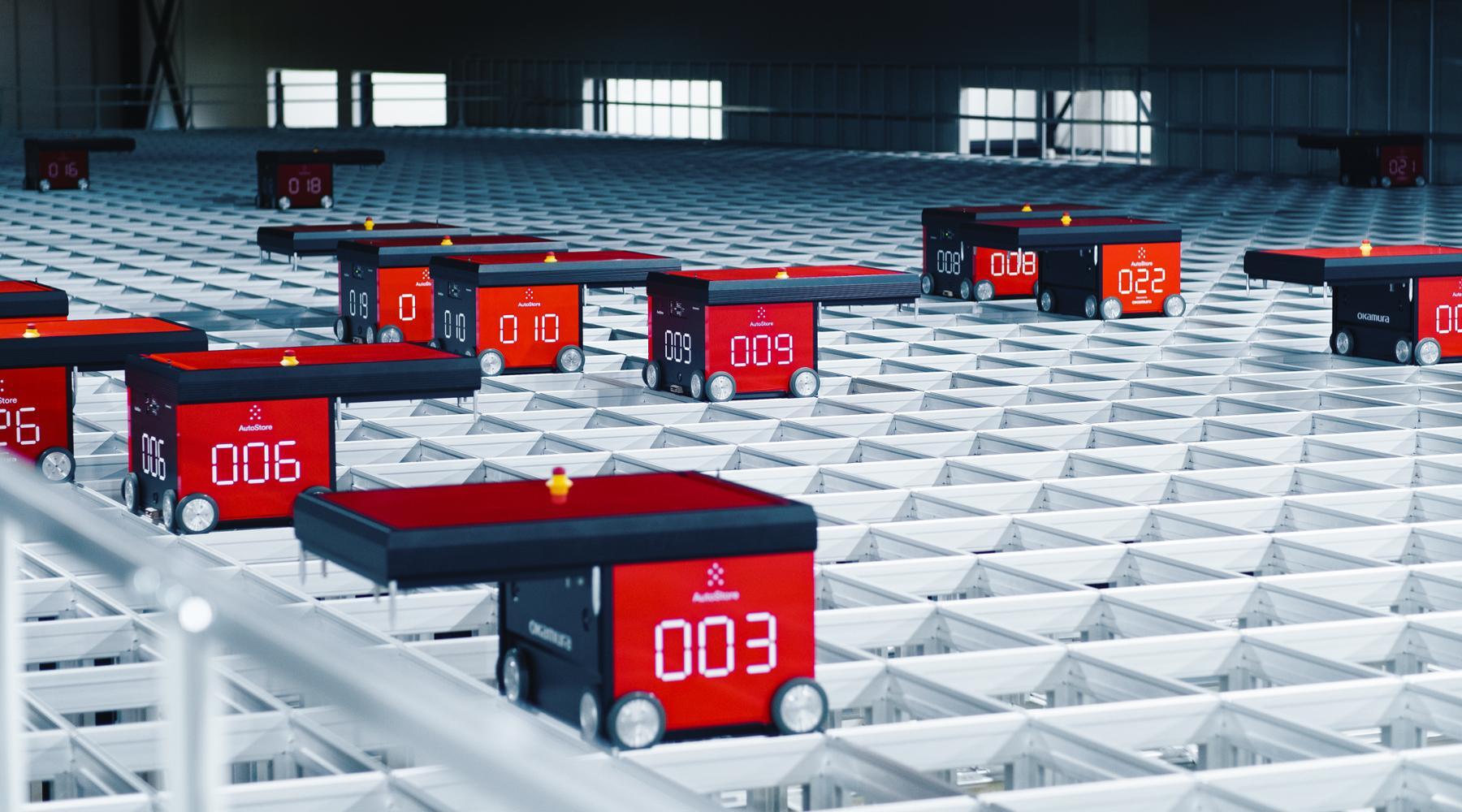
AutoStore, the world’s densest automated storage and retrieval system, allows businesses to maximize warehouse capacity by up to 400% compared to traditional racking. This means companies can hold significantly more inventory within the same footprint, reducing the need for costly warehouse expansions.
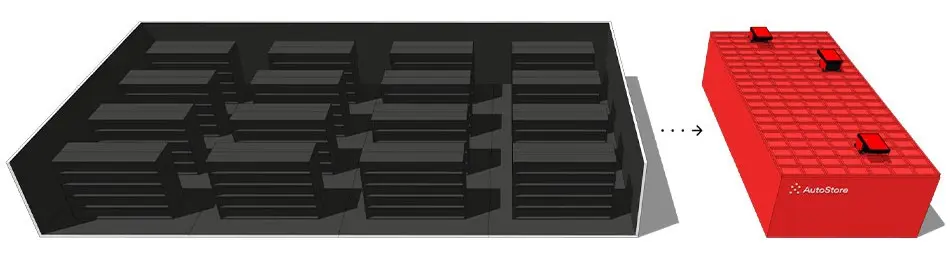
Additionally, AutoStore’s modular design ensures businesses can scale their automation capabilities as needed. If companies need more storage, they can add Bins; for increased throughput, they can integrate more Robots.
This flexibility makes AutoStore an ideal solution for businesses navigating supply chain uncertainty.

Learn how Intel uses AutoStore to bolster its domestic chip manufacturing capabilities.
→ Read case study
As tariff policies continue to evolve, businesses cannot afford to take a reactive approach. Pivoting back to a just-in-case strategy used during COVID-19 ensures resilience against tomorrow’s disruptions. By investing in warehouse automation solutions like AutoStore, companies can adapt quickly, optimize storage, and stay ahead of supply chain challenges.
The paradigm shift from just-in-time to just-in-case logistics is no longer a temporary adjustment — it’s a necessity in today’s volatile global trade environment. To secure your supply chain and maintain a competitive edge, now is the time to rethink your strategy and take action.