/2025-02%20AutoStore%20Logo%20Landscape%20(red%20white).png?width=1920&height=338&name=2025-02%20AutoStore%20Logo%20Landscape%20(red%20white).png "2025-02 AutoStore Logo Landscape (red white)")
/2025-02%20AutoStore%20Logo%20Landscape%20(red%20black).png?width=1920&height=337&name=2025-02%20AutoStore%20Logo%20Landscape%20(red%20black).png "2025-02 AutoStore Logo Landscape (red black)")


7 min read
 Zach Isbell



Explore the role of strategic supply chain management (SCM) in enhancing logistics for optimal efficiency and success. Strategic SCM is important in today's global business environment, driving organizational success and sustainability by improving operational efficiencies and overall corporate health. This article will detail how well-designed SCM strategies benefit businesses - and how to actually do it.
Key takeaways
- Strategic SCM aligns supply chain operations with broader business objectives, boosting efficiency and effectiveness.
- Strategic SCM involves forward-thinking and planning, contrasting with the often reactive nature of regular SCM.
- Strategic SCM incorporates advanced technologies such as AI, IoT and blockchain to enhance forecasting accuracy, visibility and cost-efficiency.
- Strategic SCM supports flexibility in managing supply chains, enabling quick adaptation to changes and ensuring stability and resilience.
What is strategic supply chain management?
Strategic Supply Chain Management refers to the proactive management of the supply chain in order to maximize customer value and achieve a sustainable competitive advantage. It involves the strategic planning, design, execution and monitoring of all activities involved in sourcing, procurement, conversion and logistics management activities. The concept integrates supply and demand management within and across companies.
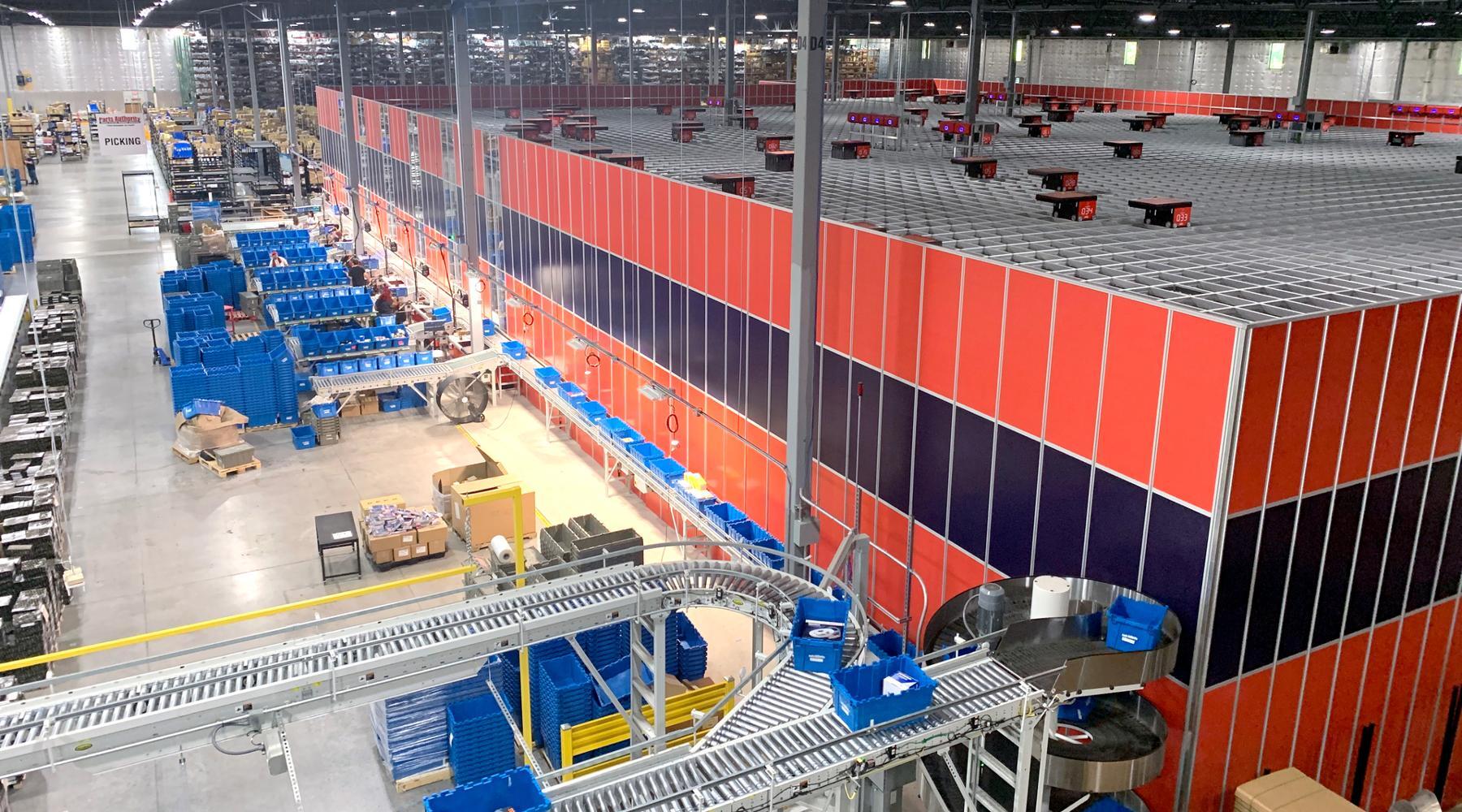
Key components of strategic supply chain management
Supply chain strategy development:
- Alignment of supply chain with business goals: The supply chain strategy should align with and support the broader business objectives of the company.
- Long-term planning: Includes decisions about the configuration of the supply chain, partnerships, location of production and storage facilities and logistics.
Supply chain network design:
- Optimization of product flow: This involves the design of the supply chain network to ensure efficient and effective flow of products from suppliers to customers.
- Capacity planning: Determining the necessary capacity at different points in the supply chain to meet demand without excessive expenditure on resources.
Demand management:
- Forecasting and planning: Accurately predicting customer demand and planning accordingly to meet these needs without overproducing
- Customer relationship management (CRM): Strategies to manage customer relationships and enhance customer satisfaction and loyalty.
Sourcing and supplier management:
- Supplier selection and evaluation: Choosing suppliers based on criteria such as price, quality, reliability and service.
- Relationship management: Developing long-term relationships with key suppliers for mutual benefit.
Inventory management:
- Optimal inventory levels: Maintaining the right amount of inventory at various points in the supply chain to buffer against uncertainties but minimize holding costs.
- Inventory strategy: Utilizing strategies such as Just-In-Time (JIT), Vendor Managed Inventory (VMI), etc.
Production planning and operations:
- Efficiency and effectiveness: Planning production processes to be as efficient as possible while meeting product quality and customer delivery expectations.
- Lean manufacturing: Implementing practices that reduce waste and improve productivity.
Logistics and distribution:
- Transportation management: Managing the physical movement of goods across the supply chain.
- Distribution network strategy: Designing and managing the distribution network to ensure efficient product delivery to customers.
Technology and information systems:
- Integration of IT systems: Utilizing information technology to improve visibility and coordination across the supply chain.
- Use of advanced technologies: Employing advanced technologies like AI, IoT and blockchain to enhance supply chain processes.
Each of these elements plays a vital role in crafting a robust strategic supply chain. By meticulously managing each aspect, businesses can ensure a seamless flow of goods and services that not only meets customer demand but also drives operational efficiency and profitability.
"By aligning the supply chain operations with company-wide strategies, businesses can achieve remarkable improvements in efficiency and customer satisfaction, among other areas."
— Zach Isbell, Business Development Manager, AutoStore
How strategic SCM differs from regular SCM
There are many expressions within logistics and it’s good to know the difference between them. For strategic SCM and regular SCM, the main distinction lies in the scope and depth of planning and execution. Here’s how strategic SCM stands out:
Focus on long-term goals
While regular SCM might focus on immediate issues like reducing delivery times or cutting costs for a single quarter, strategic SCM looks at the bigger picture such as achieving sustainable growth, expanding market reach, or innovating product lines.
Integrated approach
Strategic SCM involves a holistic approach to managing the supply chain, integrating technology, processes and people to optimize overall performance. This contrasts with regular SCM which may only involve piecemeal solutions or isolated improvements.
Proactive vs. reactive management
Strategic SCM is proactive, anticipating future challenges and preparing solutions ahead of time, whereas regular SCM often reacts to situations as they arise without a prepared strategy.
Alignment with corporate strategy
Perhaps the most critical difference, strategic SCM is deeply integrated with the company’s core objectives and strategies. It supports and is supported by the broader business goals, ensuring that every supply chain decision helps advance these goals.
Understanding these differences is important for businesses aiming to implement effective supply chain strategies that support long-term objectives and promote organizational resilience. By focusing on strategic SCM, companies can transform their supply chains into powerful engines for growth and innovation.
7 reasons to invest in strategic SCM
So, we have stated that strategic supply chain management (SCM) offers a multitude of advantages that can significantly transform the operational dynamics of any business. By aligning the supply chain operations with company-wide strategies, businesses can achieve remarkable improvements in efficiency and customer satisfaction, among other areas. Big players in the industry are implementing strategic SCM in their strategy. Why? Because the benefits of having a well-thought-out strategic supply chain management system are extensive:
1. Enhanced efficiency and reduced costs:
- Streamlines operations and optimizes resource use, which reduces waste and lowers operational costs.
- Automation and improved logistics planning decrease the need for manual intervention, further cutting down expenses.
2. Improved customer satisfaction:
- Faster and more reliable delivery schedules due to efficient logistics and inventory management.
- Higher quality of products maintained through stringent supplier and quality management processes.
3. Increased flexibility:
- Ability to adapt quickly to market changes and customer demands, thanks to agile operational strategies.
- Enhanced capability to manage and respond to disruptions in the supply chain, whether due to economic, environmental, or social factors.
4. Greater competitive advantage:
- By optimizing the supply chain, businesses can often provide better products at lower costs than competitors.
- Strategic SCM allows for the rapid scaling of operations to meet increased demand without sacrificing quality or performance.
5. Improved risk management:
- Proactive strategies in SCM reduce the likelihood of logistical failures and mitigate potential losses from operational risks.
- Better visibility across the supply chain helps identify risks early and devise effective countermeasures.
6. Sustainability and corporate responsibility:
- Efficient supply chains reduce waste and resource consumption, contributing to environmental sustainability.
- Ethical sourcing and compliance with global standards improve corporate image and customer trust.
7. Enhanced innovation:
- Collaboration across the supply chain can foster innovation in product development and process improvements.
- Strategic SCM provides a framework for continuous improvement, leveraging technology and innovative practices to stay ahead in the market.
The importance of aligning the strategy with overall business objectives
Aligning your supply chain strategy with your company’s overall business objectives and KPIs is critical for several reasons:
- Ensures cohesiveness: Alignment ensures that every element of the supply chain is working towards the same goals, enhancing overall business efficiency and effectiveness.
- Increases relevance: By aligning the strategy with business objectives, the supply chain remains relevant to the company’s needs and contributes directly to achieving strategic targets.
- Improves resource allocation: It allows for better resource allocation, ensuring that the supply chain is not only efficient but also cost-effective and competitive.
- Boosts organizational agility: Aligned strategies enhance the organization's ability to adapt to changes in the marketplace or in internal operations, fostering greater agility and responsiveness.
By following these steps and ensuring alignment with business goals, organizations can create a robust supply chain strategy that not only supports but drives business success.
The future of strategic supply chain management
As we look toward the future, it is clear that strategic supply chain management (SCM) will continue to evolve, influenced by emerging technologies, changing market conditions and global economic trends. Understanding these forthcoming developments is important for businesses aiming to maintain competitive advantage and adapt to the rapidly changing landscape. This section explores key trends and predictions that are likely to shape the future of SCM.
Trends and predictions in strategic supply chain management
Increased use of artificial intelligence and machine learning:
Trend: AI and machine learning technologies are becoming increasingly prevalent in SCM. They are used for tasks such as demand forecasting, inventory management and transportation logistics.
Impact: These technologies allow for more accurate predictions and faster response times, leading to more efficient supply chains and reduced costs.
Greater focus on sustainability and ethical practices:
Trend: There is a growing emphasis on sustainability within supply chain management. Companies are looking to reduce their carbon footprint and ensure their operations are environmentally friendly.
Impact: Sustainable practices are expected to become a standard part of SCM, affecting sourcing, manufacturing and distribution strategies. Companies not only improve their brand image but also comply with increasing regulatory demands.
Enhanced supply chain visibility and transparency:
Trend: Technology advancements are enabling greater visibility and transparency across the supply chain. Blockchain, for instance, is being increasingly adopted to provide a transparent and secure method for tracking product histories.
Impact: Improved visibility helps companies manage risks better and react more quickly to supply chain disruptions. This transparency also builds trust with consumers and stakeholders.
Rise of flexible supply chain networks:
Trend: Businesses are moving away from rigid, linear supply chains in favor of flexible network models that can adjust to changes in the market and supply conditions.
Impact: This flexibility allows companies to be more resilient in the face of disruptions and better able to exploit opportunities for growth and innovation.
Integration of advanced robotics and automation:
Trend: Robotics and automation continue to advance and will be used more extensively in warehouses and manufacturing.
Impact: Automation increases efficiency and reduces reliance on human labor, leading to faster, more cost-effective operations.
Shift towards customization and personalization:
Trend: Consumers are increasingly demanding products tailored to their specific needs and preferences, driving a trend towards customization in manufacturing.
Impact: Supply chains must become more agile and flexible to accommodate short runs and customized production without a significant cost penalty.
Global supply chain redesign:
Trend: In response to global disruptions like the COVID-19 pandemic, companies are reevaluating and often redesigning their supply chains to reduce dependency on any single country or region.
Impact: This trend towards a more distributed, risk-managed supply chain layout is likely to continue, promoting greater resilience and stability.
AutoStore and strategic supply chain management
Xxx
Conclusion
In conclusion, strategic supply chain management (SCM) is essential for optimizing operations and securing long-term success in global business. By integrating advanced technologies and sustainable practices and focusing on customer satisfaction, businesses can develop robust SCM strategies that align with their broader goals. As SCM evolves, maintaining a competitive edge will require continuous innovation and strategic alignment to ensure sustainable growth and resilience.
Do you want to learn more about how to automate your warehouse operations to improve efficiency and overall ROI?
FAQ
What are the 5 supply chain management strategies?
The five supply chain management strategies include lean management, agility, customization, resilience and sustainability.
What are the 4 pillars of supply chain strategy?
The four pillars of supply chain strategy are integration for smooth coordination of activities; operations for managing daily production and deliveries; purchasing and procurement for efficient material acquisition; and distribution and logistics to optimize storage and transport costs.
What are the 3 key factors for a strategic supply chain management system?
Three key factors of a strategic supply chain management system are aligning strategies with business goals, maintaining flexibility to adapt to changes and improving efficiency to reduce costs and enhance service levels.

.jpg)