/2025-02%20AutoStore%20Logo%20Landscape%20(red%20white).png?width=1920&height=338&name=2025-02%20AutoStore%20Logo%20Landscape%20(red%20white).png "2025-02 AutoStore Logo Landscape (red white)")
/2025-02%20AutoStore%20Logo%20Landscape%20(red%20black).png?width=1920&height=337&name=2025-02%20AutoStore%20Logo%20Landscape%20(red%20black).png "2025-02 AutoStore Logo Landscape (red black)")


6 min read
Admin



Key takeaways
- Expedited shipping is typically one to three days, it offers prioritized handling over standard shipping to meet rising customer expectations.
- Ideal for high-demand launches, healthcare needs, FMCG restocks, and loyalty-driven DTC brands.
- The true cost of rush shipping.
- Super Saturday's revenue impact: How significant last-minute is to holiday sales performance.
- Consumers view deliveries of two to three days as “fast,” and many expect same-day orders within three hours.
- AutoStore’s automated storage and retrieval system (AS/RS) reduces handling time, increases accuracy, and integrates seamlessly with warehouse management systems (WMSs) and order management systems (OMSs) to hit tight service level agreements (SLAs).
- Reliable carriers, tech-aligned partners, and automation-first strategies turn expedited shipping from a risk into a competitive edge.
“Super Saturday,” the last big day of the peak season, attracts droves of frenzied consumers scurrying to finish out their shopping lists. While many shop in-store, an increasing number are ordering online and opting for expedited shipping to get their orders delivered before Christmas Eve. Retailers can make tight deadlines possible through carriers like FedEx, UPS, and USPS. Aside from the premium costs, what does it take for businesses to offer rush shipping reliably, at scale? And why is it so critical to ensure that the “procrastinators” are well-served?
The meaning of expedited shipping
Expedited shipping is a faster delivery option designed to get orders to customers sooner than standard shipping, often within one to three business days.
While standard shipping may take up to a week, expedited shipping prioritizes speed by reducing transit time and moving packages through the carrier network more efficiently. These services offer faster routing, earlier pickups, and later delivery cutoffs.
To clarify:
- What does expedited shipping mean?: A premium service for quicker delivery.
- How long is expedited shipping?: Typically one to three days.
- What does expedited shipping mean?: Faster, prioritized handling compared to standard delivery.
For logistics teams and warehouse operators, it’s more than a shipping label, it’s a commitment to speed.
Understand the difference between expedited and standard shipping
Standard shipping typically takes five to seven business days. Expedited shipping cuts that down to one to three days, and sometimes even same-day delivery.
Why speed matters
- Expedited shipping time: typically one to three days
- Standard shipping: usually five to seven days
- How fast is expedited shipping? Fast enough to meet Amazon Prime-style expectations
When every hour counts, fast shipping creates a competitive advantage, especially in high-volume retail environments that sell fast moving consumer goods (FMCG) or direct-to-consumer (DTC).
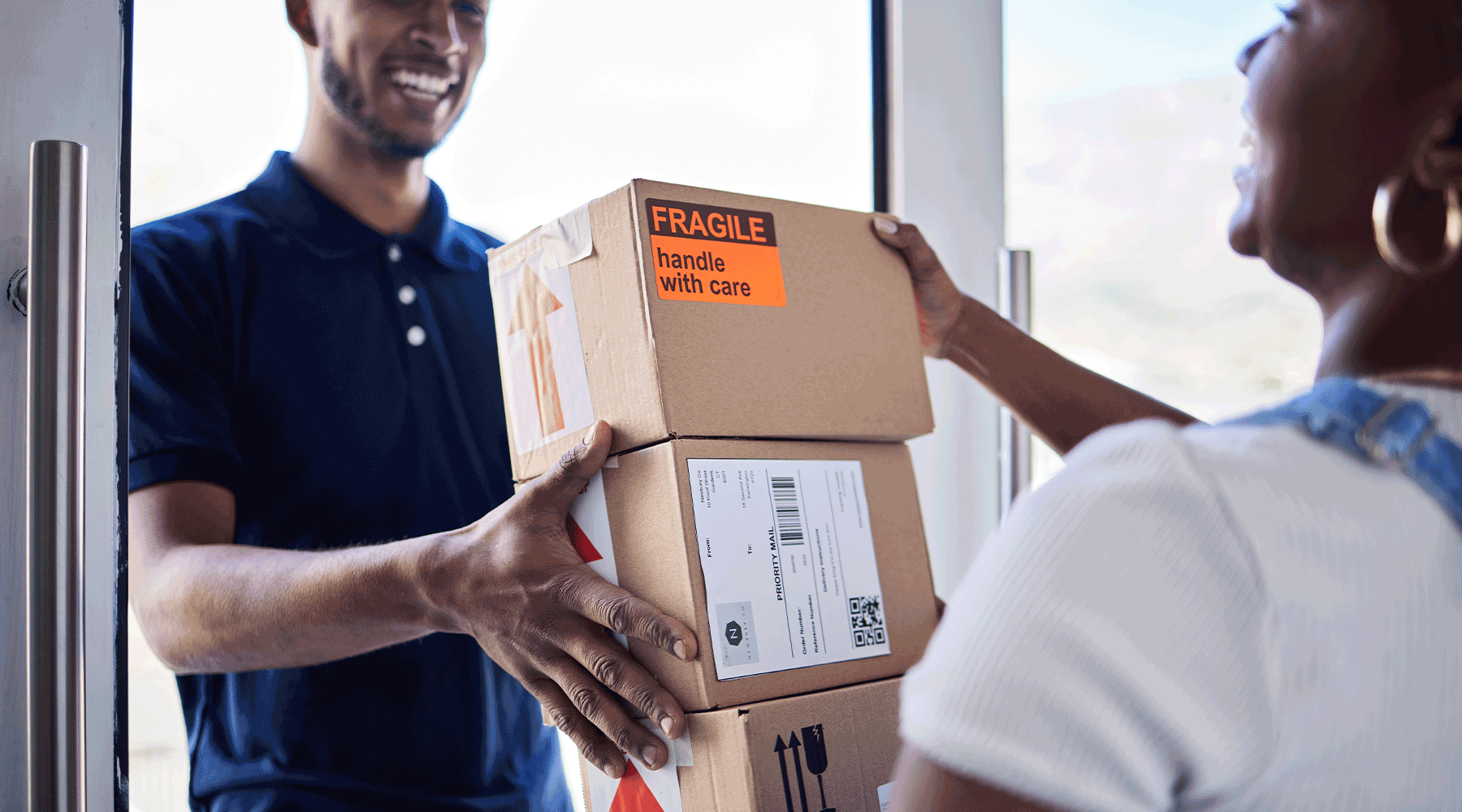
When is expedited shipping worth it?
Not every order needs to arrive tomorrow. But when timing matters, expedited shipping delivers more than just speed, it creates trust.
Who benefits most?
- Retail and DTC: Competing with same-day services
- FMCG: Avoiding stockouts and keeping shelves full
- Healthcare: Ensuring delivery of time-critical supplies
- Subscription models: Consistent timing = higher retention
Best times to offer it
- Product launches with high demand
- Low-inventory, high-margin items
- Loyalty perks or VIP shipping tiers
When used strategically, expedited shipping turns delivery speed into a brand strength.
Next, we’ll explore why and when it makes sense to offer expedited options and how to prepare for it operationally.
What are consumer expectations and market trends for expedited shipping?
Before answering that question, it helps to define what counts as fast shipping. A Pitney Bowes BOXpoll from March 2024 found consumers now consider ~3.1 days “fast” for non‑grocery categories. Similarly, SupplyChainBrain reported that 78% of shoppers view deliveries of two days or less as fast. These benchmarks set the stage for understanding what shoppers expect.
Beyond definitions, consumer priorities reveal an interesting balance: McKinsey reported in February 2025 that 90% of American consumers are willing to wait two to three days to avoid shipping costs. Reliability and choice often outrank pure speed, and about 30% would pay $1 to $2 for sustainable shipping. At the same time, Capital One Shopping shows strong demand for immediacy, reporting that among the 80% who want same‑day shipping, 76.3% expect packages within three hours, and 30% want that service free. This tension between cost and speed explains why more than 25% of shoppers abandon carts when shipping isn’t fast enough.
Market context: Why retailers struggle
While demand for ultra‑fast delivery is rising, profitability is under pressure. Parcel volumes continue to grow, but revenue per parcel is falling, squeezing margins. This makes same‑day or next‑day delivery costly to sustain without charging extra or using alternative carriers. In short: Consumers want speed, but retailers face real trade‑offs.
Checkout best practices to reduce abandonment
According to Baymard Institute, clear communication at checkout can significantly reduce cart abandonment. Best practices include:
- Show accurate delivery dates instead of vague “fast shipping” labels.
- Offer multiple shipping choices (standard, expedited, sustainable).
- Provide real‑time tracking visibility to build trust and reduce anxiety.
- These steps help retailers deliver transparency and reliability, which consumers value as much as speed.
Why is last-minute shopping so important in retail?
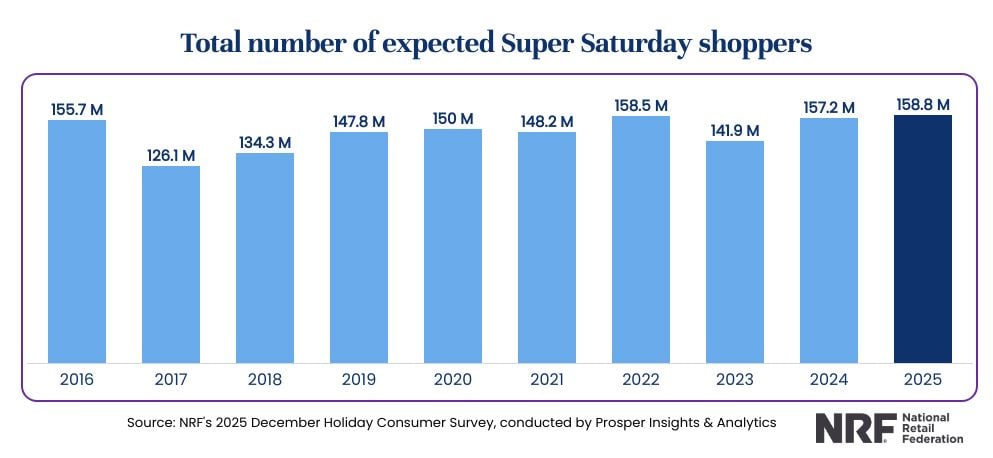
For many stores, the "panic buying" period just before Christmas can make or break their holiday season performance. And this year, it promises to be enormous. The National Retail Federation predicted that 159 million consumers will shop on “Super Saturday” hunting for deep discounts, extended hours, and shipping guarantees. The day often surpasses Black Friday in terms of sales volume. In short, procrastinators are critical.
The true cost of expedited shipping and what to watch for
Faster delivery isn’t free. If you’re not operationally ready, costs and risks can escalate quickly.
What influences cost?
Carrier pricing: FedEx, UPS, and others charge premiums for expedited tiers.
Labor: Faster pick/pack often requires more labor or longer shifts.
Packaging and handling: More attention to speed can mean more touchpoints.
Inventory strain: If stock isn’t in the right place, you risk delays.
What are the risks?
- Missed SLAs and customer dissatisfaction
- Errors from rushed processes
- Stockouts due to poor inventory visibility
That’s why success with expedited shipping depends on the speed and accuracy of your fulfillment operation. Find out how automation can help you secure it.

Use automation to deliver fast without sacrificing accuracy
Expedited delivery starts long before the label is printed. The speed must come from within your fulfillment system where automation becomes a game-changer.
AutoStore: Built for fast, precise fulfillment
The high-density AS/RS from AutoStore powers faster shipping through:
- Automated Bin-to-pick stations in seconds
- Real-time inventory syncing so stock is always where it should be
- Integrated workflows with WMS, OMS, and enterprise resource planning (ERP) systems to cut lead times

“The very fast throughput in the (AutoStore) system means that we have extended our cutoff for next-day delivery to half past midnight in the UK. No one else that we're aware of offers that service.”
- John Gallemore, COO, THG
Hit ambitious targets with confidence
- Process orders within 30 minutes of placement
- Reduce handling time with fewer manual touches
- Lower error rates and protect on-time delivery metrics
With AutoStore, you create the fulfillment backbone needed to meet expedited shipping demands without adding labor or taking up extra space. But speed doesn’t happen in isolation. To fully deliver on the promise, you also need the right partners and infrastructure supporting every leg of the journey. Learn more about it in the upcoming section.
Build the right network to support expedited delivery
Your shipping speed is only as strong as your partners and infrastructure.
What to look for in a shipping partner
- Reliable SLAs for domestic and international delivery
- Capacity for high-volume, time-sensitive orders
- Specialized offerings like expedited freight or secure card shipments
Why fulfillment-first strategy wins
Before a package reaches FedEx or UPS, your warehouse must be ready to process and route it fast.
Choose fulfillment partners and system integrators who:
- Support warehouse automation
- Integrate seamlessly with your WMS or OMS
- Offer real-time order visibility for smarter routing
With the right fulfillment ecosystem, expedited shipping becomes an operational strength and not a bottleneck.
Conclusion
Expedited shipping gives customers what they want, faster delivery with fewer surprises. But to deliver on that promise, your operations need to move just as fast.
With AutoStore, you’re not just speeding up shipping, you’re building a fulfillment engine that scales with demand. From Bin to pack to dispatch, every step is automated, accurate, and built for speed.
Want to unlock fast, profitable fulfillment? Talk to an AutoStore expert today.
FAQ
What is expedited shipping?
Expedited shipping is a premium delivery service that speeds up the transit of packages compared to standard shipping. It prioritizes faster handling, earlier pickups, and reduced delivery times across the supply chain.
How long do expedited orders take?
Expedited orders are usually delivered within one to three business days, though some may arrive sooner if using same-day or overnight services like FedEx Express or USPS Priority Mail Express.
What is the 30-minute rule for expedited delivery?
The 30-minute rule refers to a fulfillment benchmark where an expedited order is picked, packed, and ready to ship within 30 minutes of order placement. With automation systems like AutoStore, this becomes a realistic and scalable goal.
What is considered a “fast” delivery?
Figures vary, but most consumers consider a delivery window of two to three days to be fast. Many shoppers opting for same-day delivery expect their orders to arrive within three hours.
What is Super Saturday?
Super Saturday marks the final major chance for holiday shoppers to buy gifts before Christmas. It is defined as the last Saturday before Christmas or Christmas Eve, depending on the country. In 2025, Super Saturday takes place on December 20. The day is famous for attracting huge crowds of last‑minute shoppers and generating massive retail sales. It’s a major revenue day for retailers and often sees extended store hours and deep discounts. In the United States, in-store and online sales can reach as high as $47 billion.
How does last-minute shopping compare to other key parts of the holiday shopping season?
Last-minute shopping now rivals and sometimes exceeds other parts of the holiday peak retail season, such as Black Friday and Cyber Monday. This table illustrates the significance:
Sales volume comparison
This table compares Black Friday, Cyber Monday, and Super Saturday in terms of sales volume, shopper participation, and key notes. Citations are linked to their respective sources.
| Shopping event | Sales volume (2024–2025) | Shopper participation | Key notes |
|---|---|---|---|
| Black Friday | ~$10.8–11.8 billion online sales (source) | ~130 million shoppers in 2025 (planned) (source) | Still the biggest in-store shopping day; strong online growth. |
| Cyber Monday | ~$13.3–14.25 billion online sales (source) | ~72–75.9 million online shoppers (source) | Largest single online shopping day in the U.S. |
| Super Saturday | 157.2 million shoppers in 2024 (source) | 158.9 million shoppers in 2025 (record high, planned) (source) | Often surpasses Black Friday in foot traffic; less online revenue. |