How to Maximize Warehouse Space for Max Efficiency
Admin
Table of Contents
Discover strategies to maximize warehouse space utilization. Optimize storage, implement intelligent slotting, and leverage technology for efficiency.
Do the terms "maximize warehouse space" and "warehouse optimization" ring a bell? You likely understand their importance, but how to achieve them might seem daunting. This comprehensive guide will demystify these concepts, providing actionable insights into making the most out of your warehouse.
We'll delve into effective strategies, layout considerations, inventory management techniques, and innovative technologies for warehouse optimization. After reading, you'll be better equipped to streamline your storage and retrieval processes and significantly boost your warehouse efficiency.
The Importance of Maximizing Warehouse Space
Maximizing warehouse space is all about using your storage area as efficiently as possible. It's about optimizing how goods are stored, accessed, and retrieved within your warehouse. With a well-planned warehouse layout, the right storage systems, and effective inventory management, you can increase storage capacity, enhance operational efficiency, and ultimately, drive your bottom line.
Effective Strategies to Maximize Warehouse Space
Maximizing your warehouse space requires a multi-faceted approach. Here are some proven strategies:
Use Efficient Storage Systems and Shelving Solutions
A well-planned storage system is a game-changer in warehouse optimization. Here are some components to consider:
Pallet Racking: This is a versatile system that allows you to utilize your warehouse space fully, both horizontally and vertically. Different styles, such as selective, drive-in, and push-back racks, serve diverse storage needs and can increase your warehouse's capacity substantially.
Mezzanine Floors: By adding a mezzanine floor, you're effectively doubling your warehouse footprint without moving to a larger facility. This solution makes use of the often under-utilized vertical space and can be customized to fit your warehouse's specific dimensions and requirements.
Vertical Storage Systems: Vertical carousels and lift modules can exponentially increase your storage space by utilizing your warehouse's height. These systems are automated, which can greatly reduce retrieval times and improve your warehouse's overall efficiency.
Mobile Shelving: Mobile shelving systems can significantly reduce the amount of aisle space required. They're perfect for smaller items and can be tailored to meet the specific needs of your warehouse.
High-Density Storage Solutions: High-density storage systems, like mobile racking or compact pallet racks, can increase your storage capacity without sacrificing selectivity. This solution can be highly effective in maximizing space and improving operational efficiency.
Optimal Layout Configurations
A well-planned layout ensures smooth movement of goods, reduces the risk of accidents, and aids in effective utilization of space. Here are some strategies that can aid in the development of optimal layout configurations:
The grid layout is a conventional warehouse layout where aisles are arranged in a grid pattern. It enables easy access to all products and reduces the distance covered during picking. It is best suited for warehouses with a diverse range of SKUs and operations that demand access to all items at all times. The grid layout promotes safety, productivity, and efficient space utilization.
Block stacking involves stacking pallets of the same SKU on top of each other, forming a block. This method requires no shelving, making it a cost-effective solution that maximizes vertical space. However, this method is best suited for products with a high turnover rate or non-perishable items due to the 'Last-In, First-Out' (LIFO) nature of retrieval.
Narrow aisle racking reduces the width of aisles and uses the saved space to add more racks, thus increasing the overall storage capacity. However, this layout might require specialized lift trucks for operation. It’s ideal for warehouses with high turnovers and limited floor space but ample vertical space.
The fishbone layout is a relatively new warehouse design where the aisles are arranged at an angle to the loading dock. This layout reduces the travel time during picking and puts more focus on direct paths rather than a structured aisle format. This design facilitates faster picking times and reduces overall operational costs.
Remember, the optimal layout for your warehouse depends on a variety of factors, including the type of goods you're storing, your inventory turnover rate, and your available resources. Therefore, consider conducting a thorough analysis or employing warehouse design professionals to create a layout that best fits your unique needs.
Warehouse Automation
Automation technologies can significantly enhance storage density and efficiency. Automated Storage and Retrieval Systems (AS/RS) and robotics solutions can handle and store items more compactly and accurately than manual processes. Furthermore, automation can reduce the aisle space required, as machines can operate in much tighter spaces than humans.
Inventory Management Techniques
Effective inventory management techniques such as cross-docking, demand forecasting, and just-in-time inventory can help keep your storage requirements to a minimum. Here are several techniques to streamline your inventory management:
Cross-Docking: Bypass storage by transferring incoming goods directly out on the same day, saving space and costs.
Demand Forecasting: Use data analysis to predict future product demand, reducing overstocking and understocking.
Just-in-Time (JIT) Inventory: Receive goods only when needed in the production process, minimizing warehouse costs and maximizing space.
Dropshipping: Eliminate the need to keep products in stock. Purchase from a third party and ship directly to the customer, reducing storage requirements.
ABC Analysis: Divide your stock into three categories based on value and sales frequency. This maximizes storage space by prioritizing high-turnover items.
Consignment Inventory: Keep goods in the manufacturer's possession until they are sold, reducing the need for storage space.
Backordering: Allow customers to order goods not in stock, preventing unnecessary stock build-up and optimizing warehouse space utilization.
Keep Regular Review and Adjustment
Regular reviews and adjustments of your warehouse space utilization can help maintain maximum efficiency. Monitor your operations, assess how well your current strategies are working, and make necessary adjustments to further optimize your space and processes.
3 Ways to Improve The Warehouse Space Efficiency
When it comes to enhancing warehouse space efficiency, there are a few additional tactics that stand out for their effectiveness. These methods go beyond just utilizing the physical space in your warehouse; they focus on transforming your warehouse operations for optimal efficiency.
1. Lean Warehouse Operations
Embrace Lean principles in your warehouse operations to minimize waste, streamline processes, and ultimately, improve space efficiency. Lean techniques focus on the elimination of all non-value adding activities. For instance, process mapping could be used to identify and eliminate unnecessary movements within your warehouse that consume space and time, while kaizen, a strategy for continuous improvement, can facilitate regular enhancements in your space utilization.
2. Employee Training and Engagement
A well-trained and engaged workforce is a key ingredient for achieving warehouse space efficiency. Ensure your employees understand the importance of space utilization and how their roles impact it. Train them on efficient picking routes, proper item placement, and maintaining clean and organized work areas. A workforce that appreciates the value of warehouse space is more likely to keep it tidy and use it judiciously.
3. Collaborative Vendor Management
Vendors can play a significant role in optimizing your warehouse space. Through Vendor-Managed Inventory (VMI) or Just-In-Time (JIT) delivery methods, your suppliers manage the replenishment of inventory, reducing the amount of stock you need to store. Collaborative planning, forecasting, and replenishment (CPFR) with vendors can further streamline your inventory levels and improve warehouse space efficiency.
Remember, improving warehouse space efficiency isn't just about how many items you can fit into your warehouse—it's about enhancing the flow, accessibility, and management of your inventory for optimal operational performance.
The Role of Data Analysis and Optimization Tools
Data analysis and optimization tools can identify opportunities to maximize warehouse space. Warehouse Management Systems (WMS) provide valuable insights into your warehouse operations, inventory levels, and trends. These insights can help you identify bottlenecks, improve your warehouse layout, and manage your inventory more effectively.
Innovative Warehouse Storage Solutions and Technologies
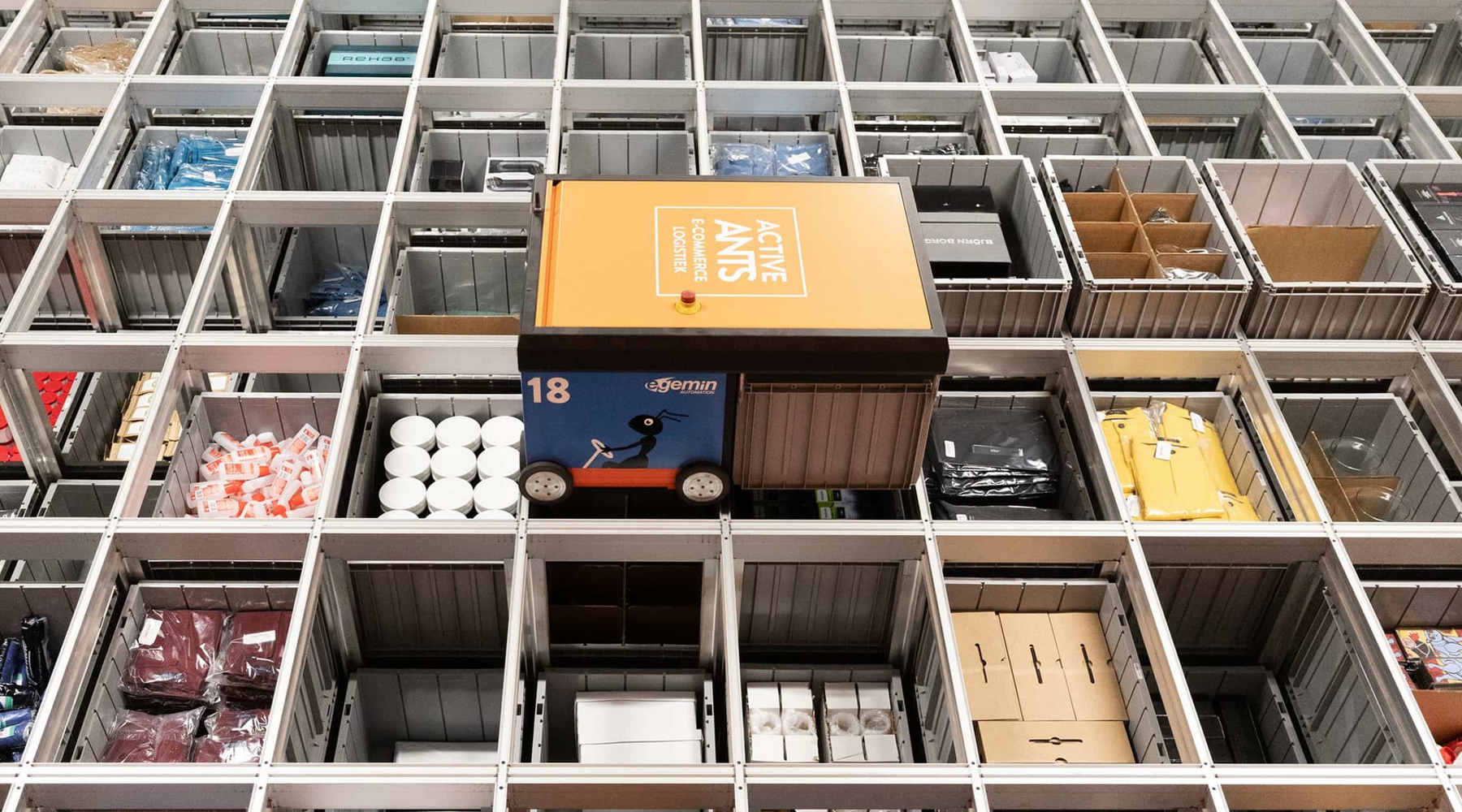
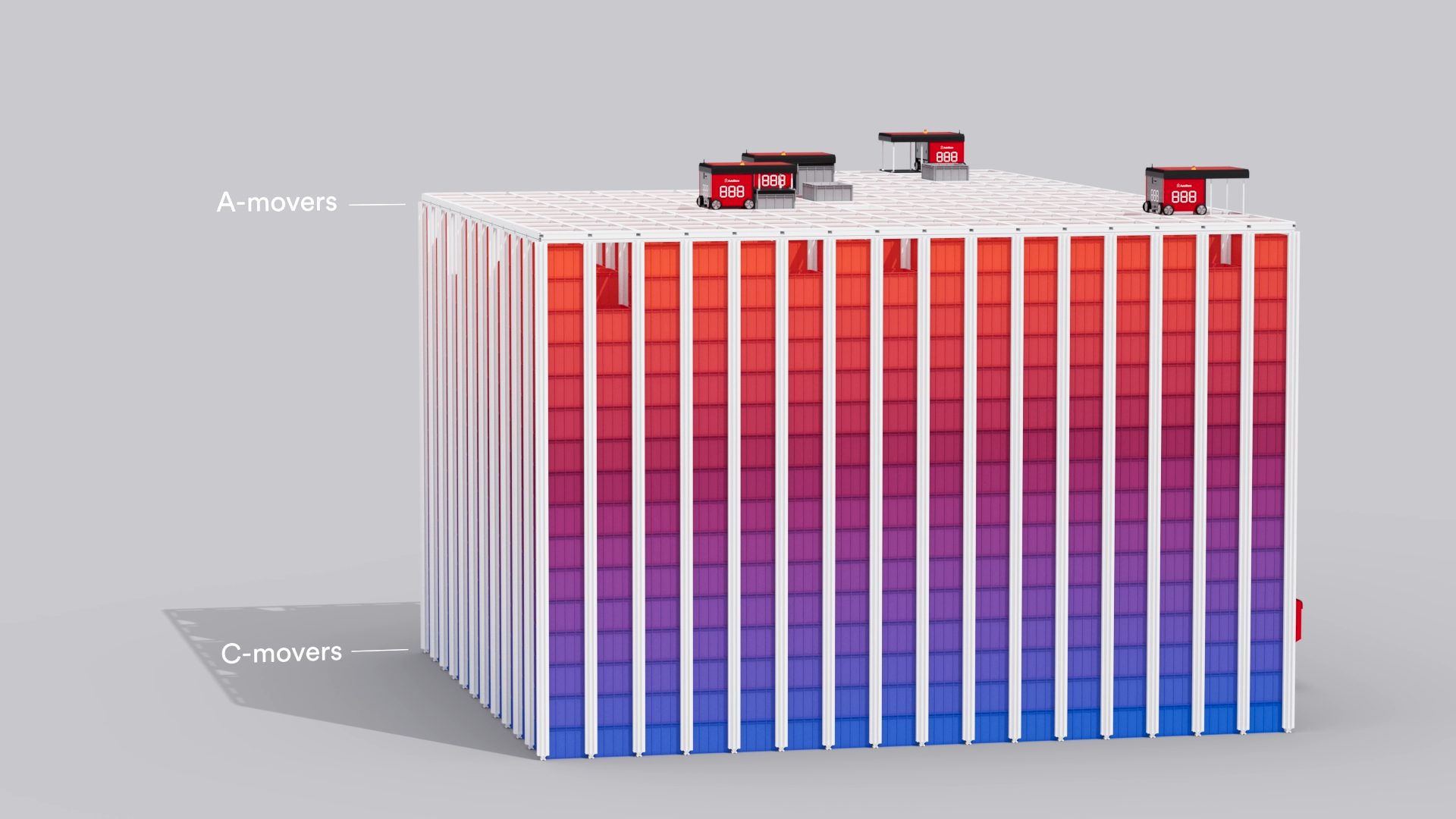
Innovation is key to optimizing warehouse space utilization. Consider solutions like AutoStore's Grid and Robot systems, which offer highly dense storage by eliminating aisle space and maximizing vertical space. Additionally, emerging technologies like AI and IoT can provide advanced analytics and real-time monitoring, helping to further optimize space and efficiency.
Best Practices for Warehouse Slotting and Item Classification
Warehouse slotting and item classification can significantly contribute to maximizing storage capacity. Proper slotting—placing items in the optimal location—can improve space utilization and picking efficiency. Similarly, classifying items based on size, weight, demand, or other relevant factors can further streamline your storage and retrieval processes.
Conclusion
Maximizing warehouse space is a critical aspect of warehouse management that directly impacts operational efficiency and profitability. With the right strategies, tools, and technologies, you can significantly increase your storage capacity and optimize your operations.
As you embark on your warehouse optimization journey, consider partnering with a knowledgeable provider like Autostore. With our state-of-the-art automation solutions, we can help you transform your warehouse, enhance efficiency, and deliver real business results.
FAQs
How do I maximize my warehouse storage space?
You can maximize warehouse space by using efficient storage systems and shelving solutions, optimizing layout configurations, utilizing vertical space, incorporating automation where possible, and applying effective inventory management techniques like JIT and ABC analysis.
How do you fix a lack of space in a warehouse?
Addressing space scarcity involves similar strategies as maximizing space. Use space-saving shelving and storage systems, exploit vertical space, and leverage automation. Effective inventory management, such as demand forecasting and cross-docking, can also prevent overstocking and under-utilization of space.
How can a warehouse optimize their space for operations and storage?
Warehouses can optimize space by implementing optimal layout configurations that facilitate smooth operations and efficient storage. Automated systems can further enhance efficiency and space utilization. Regular review of warehouse space and adjustments as needed ensure continued optimization.
How to maximize warehouse space when expansion isn't an option?
When expansion is not an option, you can still maximize warehouse space by better utilization of existing space. This can be achieved through high-density storage solutions, vertical storage, efficient layout configurations, and robust inventory management techniques. Automation can further streamline operations, effectively making more room for storage.
/2025-02%20AutoStore%20Logo%20Landscape%20(red%20white).png?width=1920&height=338&name=2025-02%20AutoStore%20Logo%20Landscape%20(red%20white).png "2025-02 AutoStore Logo Landscape (red white)")
/2025-02%20AutoStore%20Logo%20Landscape%20(red%20black).png?width=1920&height=337&name=2025-02%20AutoStore%20Logo%20Landscape%20(red%20black).png "2025-02 AutoStore Logo Landscape (red black)")

 Kyle Letourneau : Dec 1, 2025 12:00:00 AM