Learn how to keep track of inventory effectively and enhance inventory visibility. Improve accuracy, minimize stockouts, and optimize warehouse efficiency.
Inventory management is a critical aspect of any business that deals with physical goods. It involves tracking the various items in a business's stock and ensuring that there are enough supplies to meet customer demand, while ensuring that there's no unnecessary surplus. This delicate balance is achieved through a process known as inventory tracking, a process that can significantly impact a business's efficiency, profitability, and overall success. This article will delve into what inventory tracking means, its importance, and practical methods to ensure accurate inventory management.
What does Inventory Tracking mean?
Inventory tracking is a method of keeping tabs on every item in your inventory. It involves monitoring the journey of goods from the supplier, through the warehouse, and finally, into the hands of the customer, also referred to as “the last mile”. This could be achieved through manual processes like checking off items in a notebook/ledger or through automated systems like barcode scanning.
Inventory tracking is a subcategory of inventory management, a process that deals with maintaining optimal inventory levels to maximize profits. However, more than keeping count of items or SKUs, inventory tracking also involves understanding the entire lifecycle of a product within the company. That includes where an item/ a SKU comes from, where it is stored, how it is sold, and when it needs to be restocked.
Inventory tracking is important for businesses of all sizes. For instance, inventory tracking helps small businesses manage their limited resources more effectively, while larger businesses rely on inventory tracking to manage the complex logistical challenges that come with a larger scale operation.
Why it’s important to ensure full Inventory Visibility
Visibility into your inventory, referred to as inventory visibility, is crucial for efficient and profitable operations. Not only because it gives a clear picture of the goods available, their status, and location at any given point in time, but also because full inventory visibility can increase business performance in several ways.
Key benefits of implementing a robots inventory management system
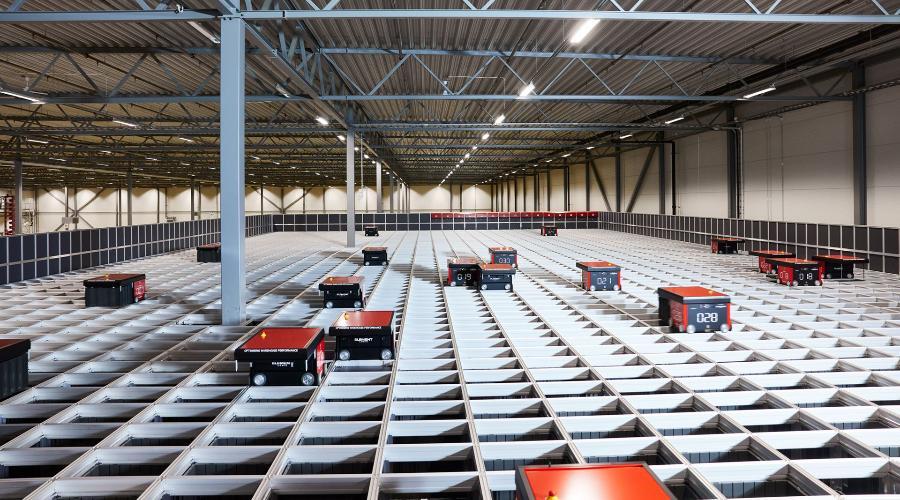
First and foremost, inventory management systems that employ robotics can bring about significant improvements in inventory tracking. These systems leverage robots to automate various tasks related to inventory management, such as moving goods around a warehouse, performing stock checks, and even packaging items for shipping.
Robotic inventory management systems offer several advantages over manual methods. Firstly, they can operate round the clock, increasing the warehouse’s overall productivity. Secondly, robots reduce the margin of error, ensuring more accurate inventory counts and tracking. Thirdly, they also improve safety within the warehouse by minimizing the need for human interaction with heavy goods or machinery.
Real-time Inventory Tracking contributes to better SCM
Supply Chain Management (SCM) refers to the coordination of all the processes involved in creating a product and getting it to the customer. Real-time inventory tracking provides live updates on inventory levels, helping businesses to make informed decisions promptly.
With real-time tracking, your business can respond faster to changes in demand, thereby reducing the risk of stockouts or overstocking. Also, it helps in maintaining optimal inventory levels, thereby reducing holding costs and increasing cash flow. Additionally, real-time data allows your business to communicate effectively with suppliers, enhancing their relationship and fostering better collaborations.
Inventory tracking enhances decision-making
As another benefit, accurate inventory tracking provides critical data that can inform various business decisions. Firstly, it helps determine what products are selling well, which aren't, and when it's time to restock certain items. This information can inform purchasing decisions, marketing strategies, and even product development.
Inventory data can also help identify trends over time, such as seasonal changes in demand, and with this information in hand, your business can prepare for peak periods and avoid unnecessary expenses during slower times.
How to keep track of your warehouse inventory accurately
Implementing effective inventory tracking practices can make a significant difference in your warehouse operations. Here are some of the top methods to consider.
The Importance of Efficient Warehouse Organization
An organized warehouse is the backbone of accurate inventory management. It allows for quicker, more efficient operations and can significantly reduce errors in inventory tracking. Here are some key tips for effective warehouse organization:
Create a Logical Layout: The physical layout of your warehouse should facilitate easy access to items. Fast-moving items should be near the front to minimize travel time. Items that are often sold together should be stored near each other. Each area of the warehouse should be clearly marked, and all employees should understand the layout.
Use Clear, Consistent Labeling: Every item, shelf, and area in your warehouse should be clearly labeled. This helps employees quickly locate items and reduces the chance of errors in picking and stocking. The labeling system should be consistent throughout the warehouse.
Implement a Warehouse Management System (WMS): A WMS is a software application that helps control and manage daily operations in a warehouse. It can help optimize picking routes, manage space, and even automate reordering processes, making it easier to maintain an accurate inventory.
Train Your Staff: Even the best systems and processes can fail if your staff don't know how to use them effectively. Regular training on inventory management practices, the use of inventory management software, and understanding the warehouse layout is essential.
Maintain Cleanliness and Order: As basic as it may sound, a clean and tidy warehouse is simply easier to manage. It reduces the risk of items being lost, damaged, or misplaced. Regular cleaning schedules and an orderliness policy can go a long way in maintaining a well-organized warehouse!
By incorporating these strategies into your warehouse operations, you can significantly improve your inventory accuracy, operational efficiency, and ultimately, customer satisfaction. Remember, an organized warehouse is a productive warehouse. In relation, let’s look into how barcode scanners and automation can play a role in inventory tracking and productivity.
Utilize Barcode Scanning or RFID
Barcode scanning and Radio Frequency Identification (RFID) are two popular methods used to track inventory accurately. Both techniques involve attaching a unique identifier to each item in the warehouse.
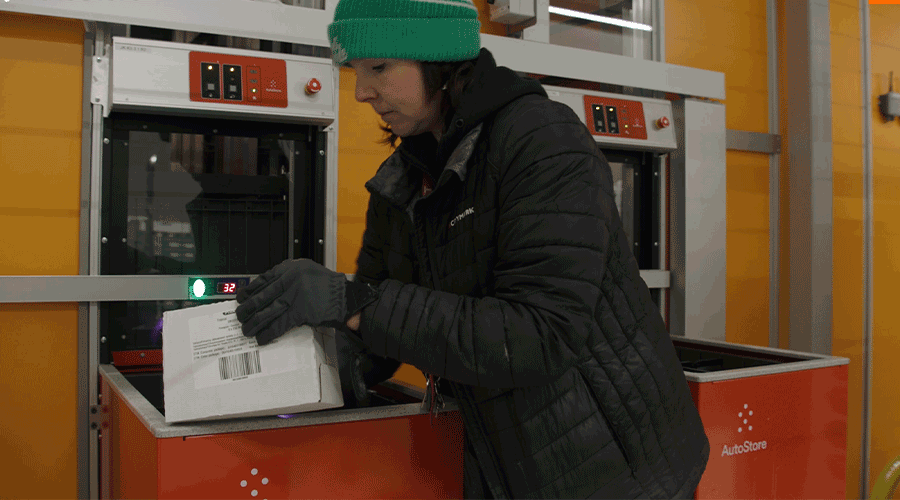
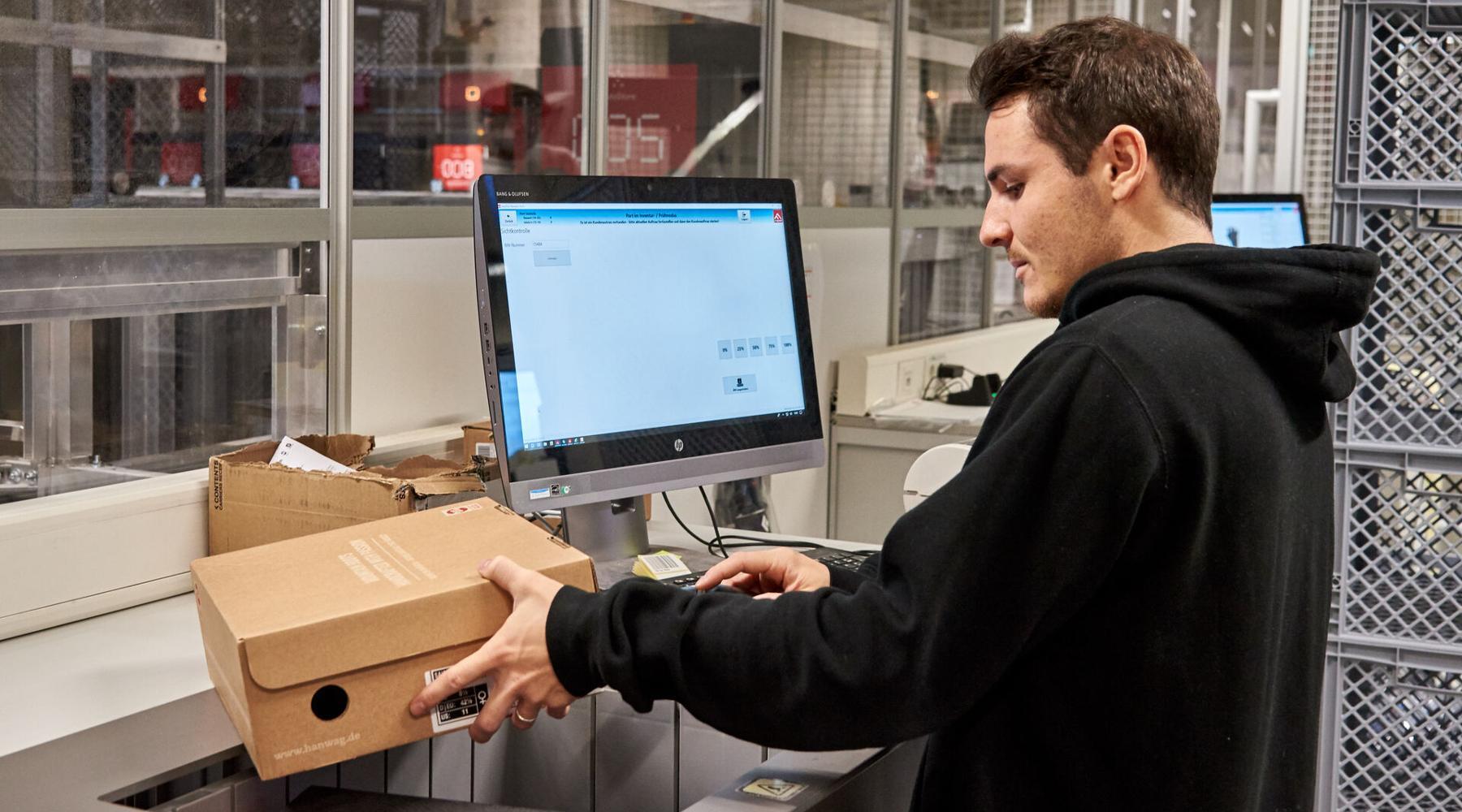
A barcode scanner reads this identifier and updates the inventory management system each time an item is moved, sold, or returned. RFID tags serve a similar function but can be read from a distance and without direct line of sight, making them particularly useful in large warehouses.
Both these systems reduce human error and speed up the inventory tracking process, providing accurate and real-time updates.
What role does automation play in inventory tracking?
Automation plays a pivotal role in modern inventory tracking. With warehouse automation, your business can eliminate many of the manual tasks associated with inventory management, thereby reducing human error and improving efficiency.
Automated inventory management systems can track sales, update inventory records, generate purchase orders, and even forecast future demand based on historical data. This automation allows your business to keep up with the fast pace of the modern marketplace and make informed decisions quickly.
How to minimize stockouts with accurate inventory tracking
Minimizing stockouts is a crucial aspect of inventory tracking. Stockouts occur when a business runs out of a particular item, causing lost sales and potentially damaging customer relationships.
To avoid stockouts, your business need to have accurate demand forecasting methods in place. Demand forecasting uses historical sales data and market trends to predict future demand for each product. With this information, you can make informed decisions about when and how much to restock.
Another strategy is to have a safety stock - a small surplus of items to cover unexpected spikes in demand or supply chain disruptions. While this does incur additional storage costs, it can be a worthwhile investment to maintain customer satisfaction.
Conduct regular inventory audits to ensure accuracy
While automated systems and advanced tracking methods can significantly improve inventory accuracy, regular inventory audits still play a significan role in controlling your inventory. An inventory audit involves physically counting all the items in a warehouse and comparing the results with the records in the inventory management system.
The main benefit of audits is that they can help identify discrepancies between physical counts and system records, indicating issues like theft, damage, or data entry errors. Conducting regular audits ensures that the inventory management system reflects the actual state of the warehouse, allowing for accurate tracking and decision-making.
Conclusion
In conclusion, keeping track of inventory is not just about knowing how many items are in a warehouse. It's about understanding the lifecycle of each product, predicting future demand, and making informed decisions that can enhance the efficiency and profitability of your business.
By implementing effective tracking methods such as barcode scanning or RFID, leveraging automation, conducting regular audits, and utilizing strategies to minimize stockouts, your business can improve their inventory visibility and make more informed, data-driven decisions. Remember, effective inventory management is not a one-time task, but a continuous process of monitoring, adjusting, and improving!
FAQs
How do you keep track of inventory supplies?
You can keep track of inventory supplies by using inventory management software or systems. These systems will help you monitor stock levels in real time, set up automatic reordering points, and provide alerts when supplies are low. Regular physical audits are also essential to ensure the accuracy of the system data.
How do you keep track of inventory and expenses?
Inventory and expenses can be tracked using accounting or inventory management software. Such systems help you monitor the cost of goods sold, operational expenses, and inventory value. They can also generate reports that allow you to analyze patterns and trends over time. Linking your inventory data with your financial data can provide valuable insights into profitability and cost management.
What do you use to track inventory?
Several methods can be used to track inventory, depending on the size and needs of your business. Small businesses might use simple spreadsheet programs or manual ledgers. As a business grows, more sophisticated methods become necessary, like inventory management software, barcode scanners, RFID systems, or even automated robots for large-scale operations. The goal of these tools is to provide real-time, accurate data about stock levels and movement.
/2025-02%20AutoStore%20Logo%20Landscape%20(red%20white).png?width=1920&height=338&name=2025-02%20AutoStore%20Logo%20Landscape%20(red%20white).png "2025-02 AutoStore Logo Landscape (red white)")
/2025-02%20AutoStore%20Logo%20Landscape%20(red%20black).png?width=1920&height=337&name=2025-02%20AutoStore%20Logo%20Landscape%20(red%20black).png "2025-02 AutoStore Logo Landscape (red black)")

 Drew Cunningham : Jan 9, 2025 12:00:00 AM