/2025-02%20AutoStore%20Logo%20Landscape%20(red%20white).png?width=1920&height=338&name=2025-02%20AutoStore%20Logo%20Landscape%20(red%20white).png "2025-02 AutoStore Logo Landscape (red white)")
/2025-02%20AutoStore%20Logo%20Landscape%20(red%20black).png?width=1920&height=337&name=2025-02%20AutoStore%20Logo%20Landscape%20(red%20black).png "2025-02 AutoStore Logo Landscape (red black)")

Automated Order Processing: Revolutionize E-commerce | 2025
 AutoStore : Mar 9, 2026 6:38:33 AM
4 min read
 David Jeziorski


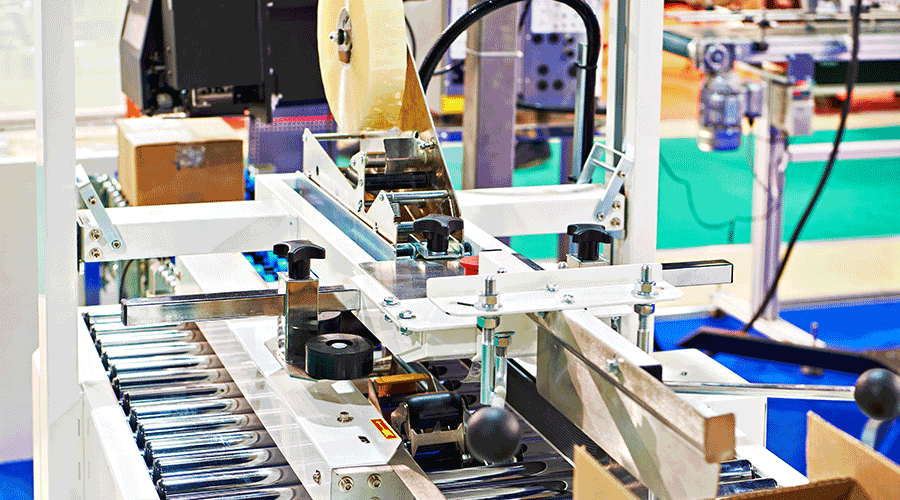
Automated packaging refers to the use of advanced technology and machinery to automate the processes and tasks traditionally performed manually in packing goods for storage, shipment, or sale. This form of packing leverages robotics, software algorithms, and intricate machinery to streamline the entire packaging process—from product handling and wrapping to boxing and labeling.
Automated packaging systems are designed to optimize the packaging process, making it more efficient, consistent, and reliable. Unlike manual packing, which relies heavily on human labor and is prone to errors and inconsistencies, automated packaging systems ensure precision and uniformity in every package prepared. These systems can be tailored to handle a variety of products, from small consumer items to large industrial components, adapting to different sizes, shapes, and packaging requirements.
The technology behind automated packing can range from semi-automated systems, where machines assist human workers, to fully automated lines that require minimal human intervention. These systems typically include several components such as conveyors belts, robotic arms, sensors, and software interfaces that work in unison to execute the packing tasks.
It’s not just about replacing human effort with machinery; it's about enhancing the packing process to meet higher standards of efficiency and accuracy. By integrating these systems, businesses can significantly reduce the time and costs associated with packing, while also minimizing the risk of errors and workplace injuries. This shift not only improves operational efficiency but also contributes to better overall product quality and customer satisfaction.
In the following sections, we will dive deeper into how these automated packing systems work, their importance in modern logistics and the benefits they bring to the table, paving the way for a more streamlined, effective, and future-ready packing process.
Automated packaging is, simply put, a blend of precision, speed, and technology. Understanding the processes and stages involved can provide insights into how this innovative solution impacts the packaging industry. Let's break down the key components based on how it usually works:
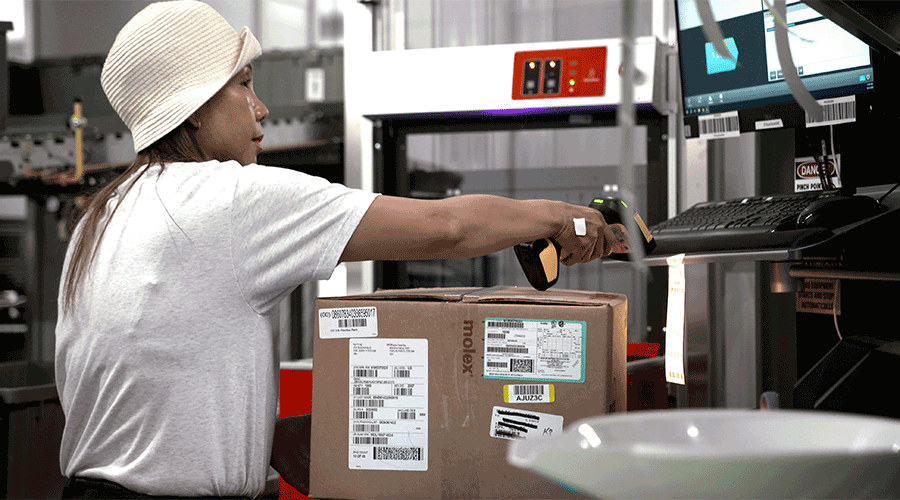
Step 1: Product reception and identification
Items are received and identified using barcodes or RFID technology to select suitable packing materials and methods.
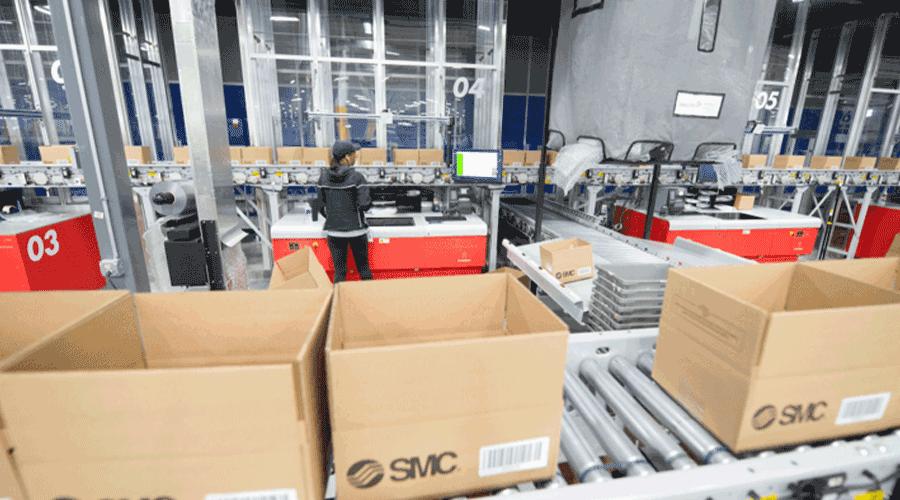
Step 2: Sorting and orientation
Products are sorted and aligned based on destination, size, and packing requirements, using conveyors and sometimes robotic arms.
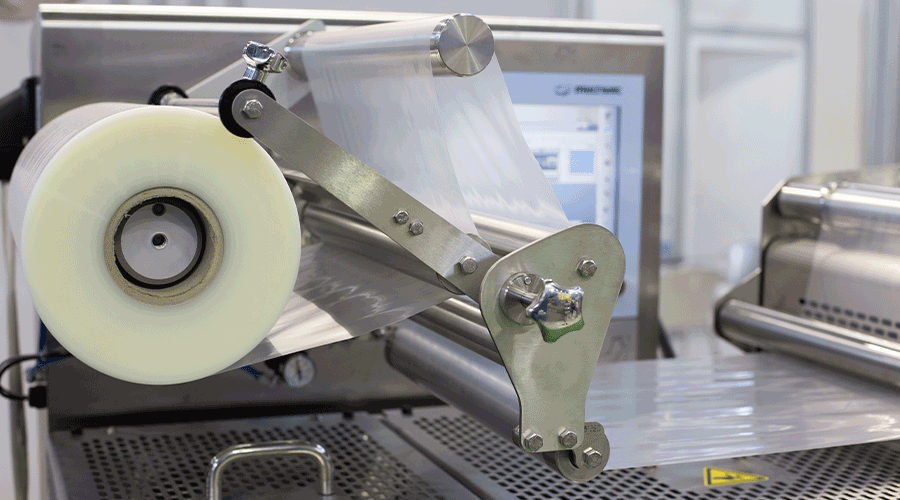
Step 3: Selection of packaging materials
The system chooses the best materials like cardboard, plastic, or foam inserts based on product characteristics.
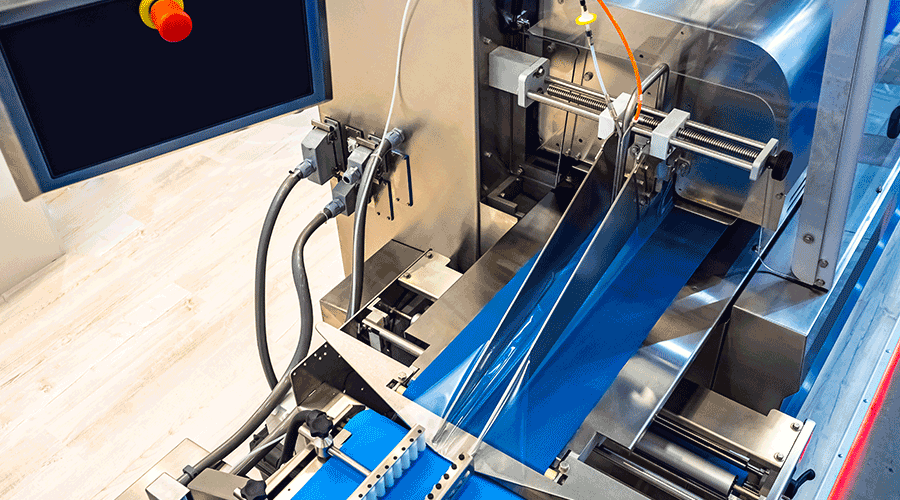
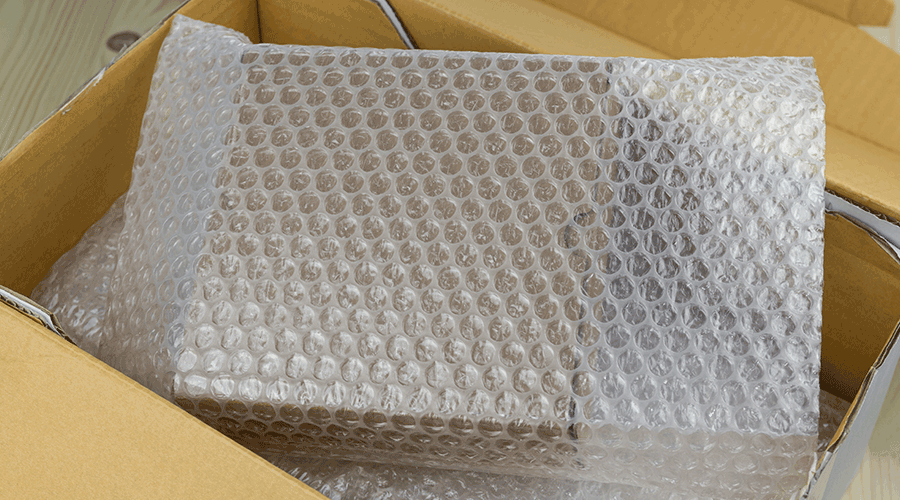
Step 4: Packing and cushioning
Items are securely placed and cushioned in containers to prevent movement or damage during shipping.
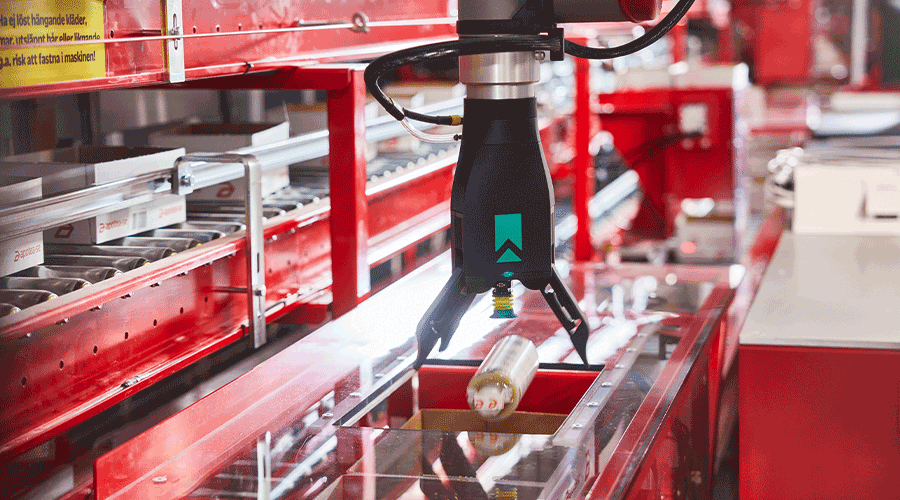
Step 5: Sealing and labeling
Packages are sealed and accurately labeled with shipping details for tracking and delivery.
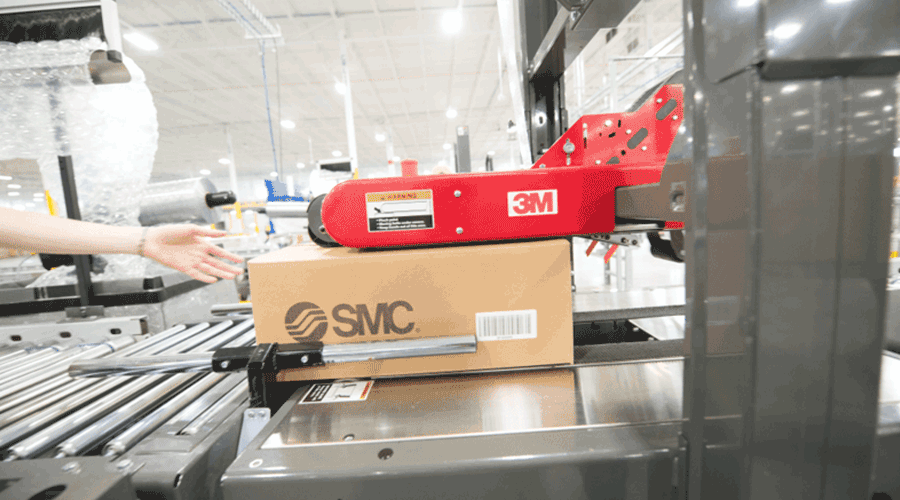
Step 6: Quality check and verification
Automated systems perform final checks, including weight, seal integrity, and visual inspections.
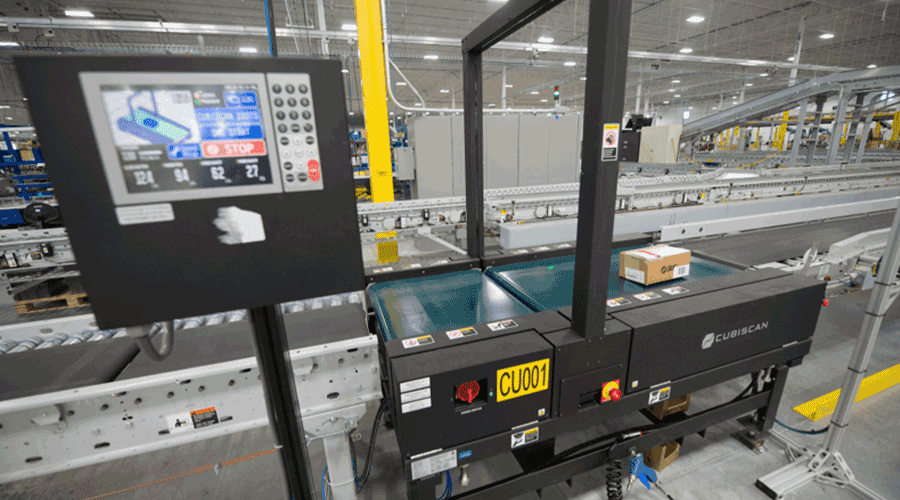
Step 7: Sorting and dispatch
Packed items are sorted and directed to the correct dispatch areas for shipping or storage.
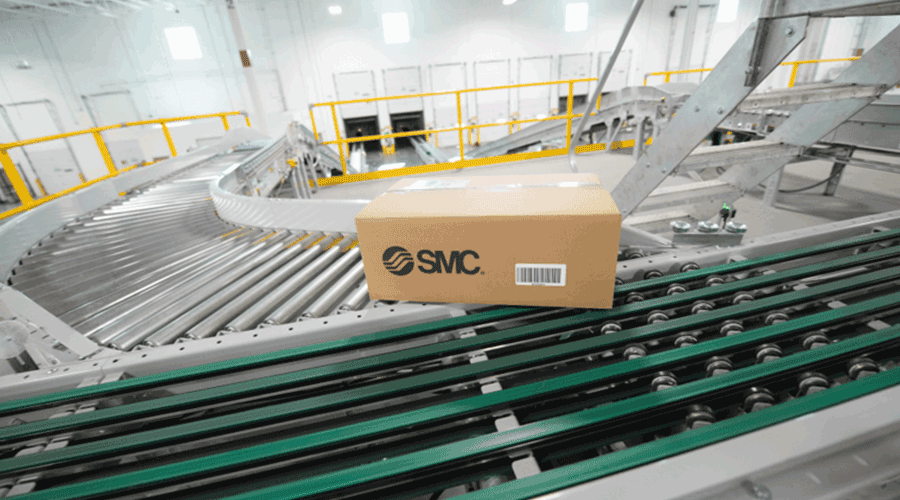
Overall, each stage of the automated packaging process is interlinked, relying on sensors, software, and machinery to move seamlessly from one task to the next. This integration ensures not only speed and efficiency but also accuracy and consistency in every package that leaves the facility.
Automated packaging systems bring a lot of advantages to businesses looking to enhance their operations and address the challenges of modern logistics and supply chains. The transition from manual to automated packing processes can lead to significant improvements in various aspects of warehouse management and customer satisfaction. Below are some of the key benefits.
By leveraging the benefits of automated packing, businesses can address many of the challenges they face in today’s competitive market.
Here is a video showing how an order is packed automatically in an AutoStore warehouse. It showcases how a robot (note: not an AutoStore Robot) picks an order from an AutoStore Port and places it on a conveyor with automated packing technology. A piece-picking robot is used in combination with an automated packing system.
In conclusion, automated packaging enhances warehouse efficiency, accuracy, and safety, significantly reducing costs and labor. It streamlines operations from product identification to dispatch, supporting scalable, adaptable, and sustainable business growth. Embracing this technology leads to faster delivery and improved customer satisfaction, marking a key step towards more efficient logistics.
Automation packaging refers to the use of technology and machinery to automate various stages of the packaging process, enhancing efficiency, accuracy, and consistency.
An auto packing machine is a device designed to automatically package products, performing tasks such as filling, wrapping, sealing, and labeling without manual intervention.
Yes, the packing process should be automated if you aim to increase efficiency, reduce errors, and manage high-volume production needs more effectively.
An automatic packaging machine streamlines the packaging process by systematically executing tasks such as measuring, filling, sealing, and labeling products in a consistent and efficient manner.

AutoStore : Oct 2, 2025 9:38:20 AM